
There’s a phrase many of us grew up hearing — and maybe even saying:
“That child is just bad.”
We heard it in grocery store aisles, whispered in church pews, shouted in homes. The tone might’ve varied, but the message was the same: if a child wasn’t behaving, it meant they were broken, spoiled, or needed “discipline.”
But what if… we’ve been wrong?
What if that child wasn’t bad — just triggered?
What if they weren’t disrespectful — just dysregulated?
What if they weren’t too sensitive — but neurodivergent?
🧠 Behavior Isn’t the Problem. It’s the Messenger.
We’ve been conditioned to judge what we see instead of asking what’s underneath. To label the child instead of listening to the struggle behind the behavior.
We say:
- “They don’t listen.”
- “They’re disrespectful.”
- “They need to learn how to behave.”
But the truth is, many of our kids are:
- Overwhelmed and shutting down
- Struggling with ADHD or sensory overload
- Acting out what they haven’t yet learned how to say
And in BIPOC communities especially, we don’t always get the luxury of curiosity. We’re so focused on raising “strong” and “well-behaved” children that we miss the warning signs of something deeper.
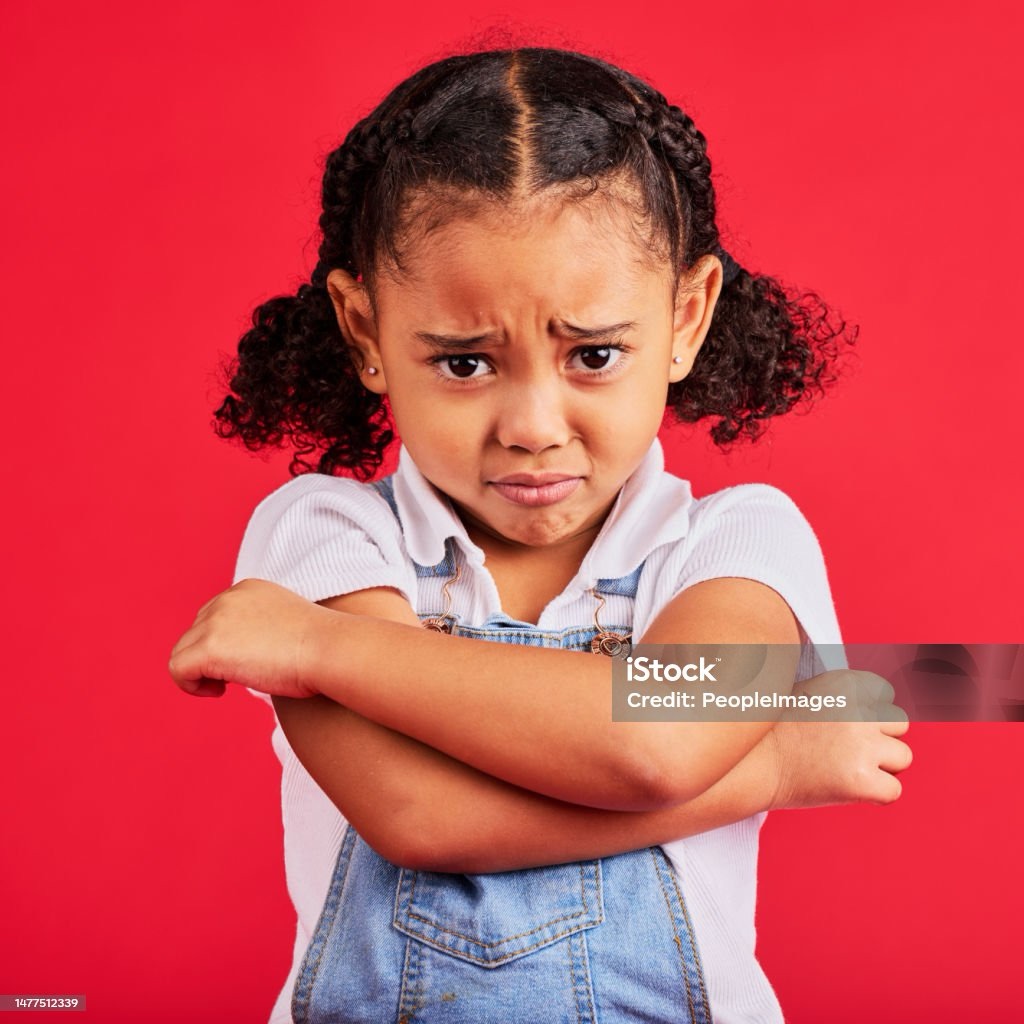
💔 The Reality for Our Kids
- That Black boy who can’t sit still might not be “bad.” He might be undiagnosed with ADHD.
- That Afro-Latina girl with explosive emotions isn’t “too much.” She might be masking anxiety.
- That child who always talks back? Might be feeling unheard and reacting the only way they know how.
But because our communities were taught to sweep feelings under the rug — we repeat the cycle.
We punish what we don’t understand.
We discipline what we fear will embarrass us.
We shame what we were never allowed to express ourselves.
🌱 What If We Did It Differently?
What if we paused before reacting?
What if we asked:
- “What’s going on beneath the surface?”
- “What does this child need that they don’t yet know how to ask for?”
- “Am I seeing defiance, or am I seeing a cry for help?”
Because not all wounds bleed. Some show up as tantrums, shut-downs, hyperactivity, or “sass.”
And when we understand this, we shift from control to connection. From blame to curiosity. From discipline-only to healing-centered parenting.
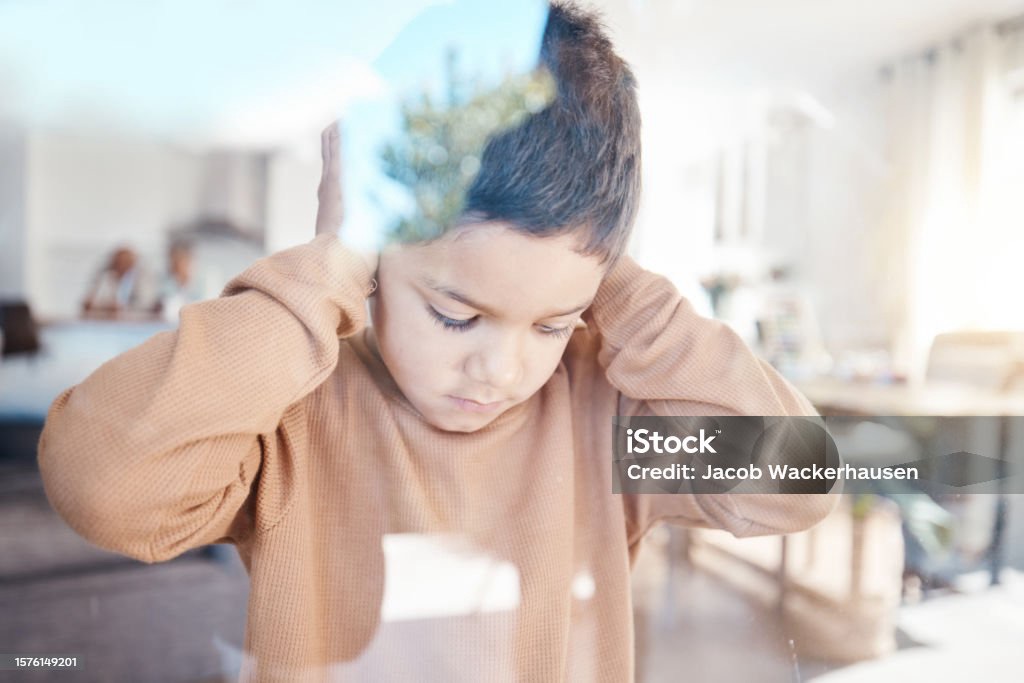
Before you punish, ask what’s behind the behavior.
🔁 It Starts With Us
We can’t change what we don’t name. And for many of us, that means finally acknowledging:
We weren’t “bad” kids either. We were anxious. Overstimulated. Grieving. Sensitive.
We were just expected to act like adults before we ever had the language to explain our pain.
And now? We get to stop that cycle — not by being perfect, but by being willing to unlearn.
🔚 Final Word
Calling a child “bad” is easy.
Understanding a child takes work.
But it’s the kind of work that transforms homes, classrooms, and generations.
So the next time you feel yourself reacting…
Pause.
Breathe.
Ask: “What’s this child really trying to tell me?”
You just might learn that the “bad” kid didn’t need punishment.
They needed someone to finally see them.
🧡 Final Reminder:
Behavior is the voice of a child who doesn’t yet have the words.
The goal isn’t to excuse — it’s to understand. Because when we understand, we can actually help.
 JUGGLING LOVE & LIFE COACHING
Leave a comment